

Why Does Surgery Cause Oxidative Stress?
Any surgical procedure, even when carefully controlled, represents a controlled stressor for the body. In response, the body activates various physiological mechanisms, including a normal inflammatory response that is essential for the healing and repair process.
This phase is also accompanied by an increase in the production of free radicals. When present in excess, these molecules can contribute to oxidative stress, which refers to an imbalance between the production of oxidizing molecules and the body's natural defense mechanisms.
To help manage this process, our bodies have a sophisticated antioxidant system. One of its key components is superoxide dismutase (SOD), an enzyme naturally found in the body that serves as one of the first lines of defense against free radicals.
A New Approach: Preparing the Skin Before Surgery
Tissue quality does not depend solely on the surgical procedure itself. The overall condition of the skin, lifestyle habits, diet, sleep, and sun exposure can also influence how the skin ages over time.
This is why some plastic surgeons are now incorporating a preoperative preparation phase, with the goal of supporting patients through a more comprehensive approach to skin health.
This approach aligns closely with the concept of BeautySpan, which focuses on preserving the skin's biological quality over time rather than concentrating solely on its appearance.
Why Does Dr. Cory Goldberg Recommend GliSODin Before a Facelift?
Dr. Cory Goldberg, a plastic surgeon, functional medicine expert, and tissue engineering researcher in Canada, believes that a facelift is about more than the day of surgery.
In his view, it is a comprehensive journey that includes several stages:
- preparing the body;
- the surgical procedure;
- the recovery period;
- maintaining the quality of the results over time.
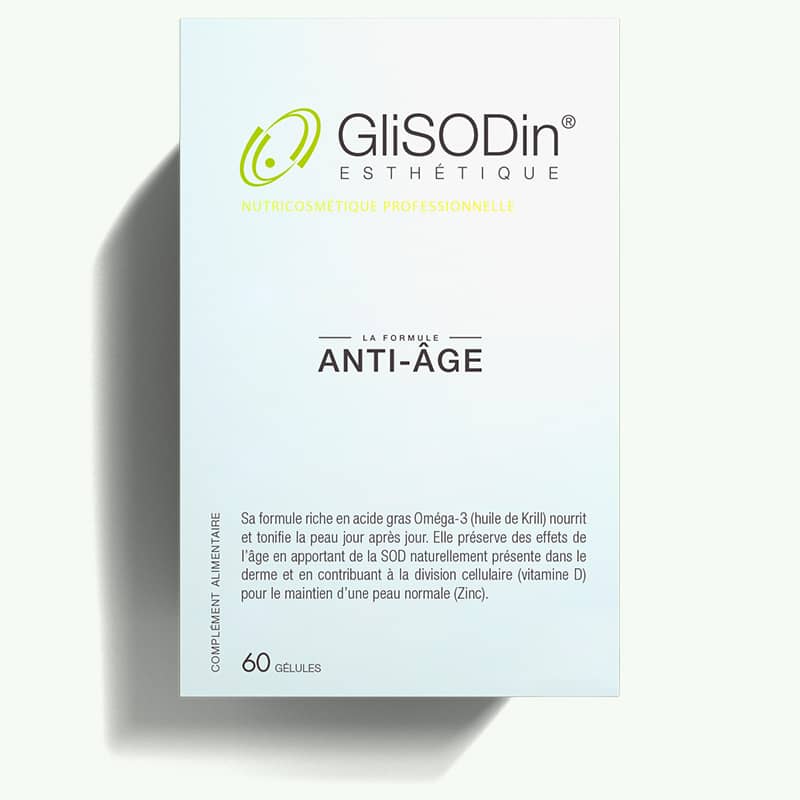
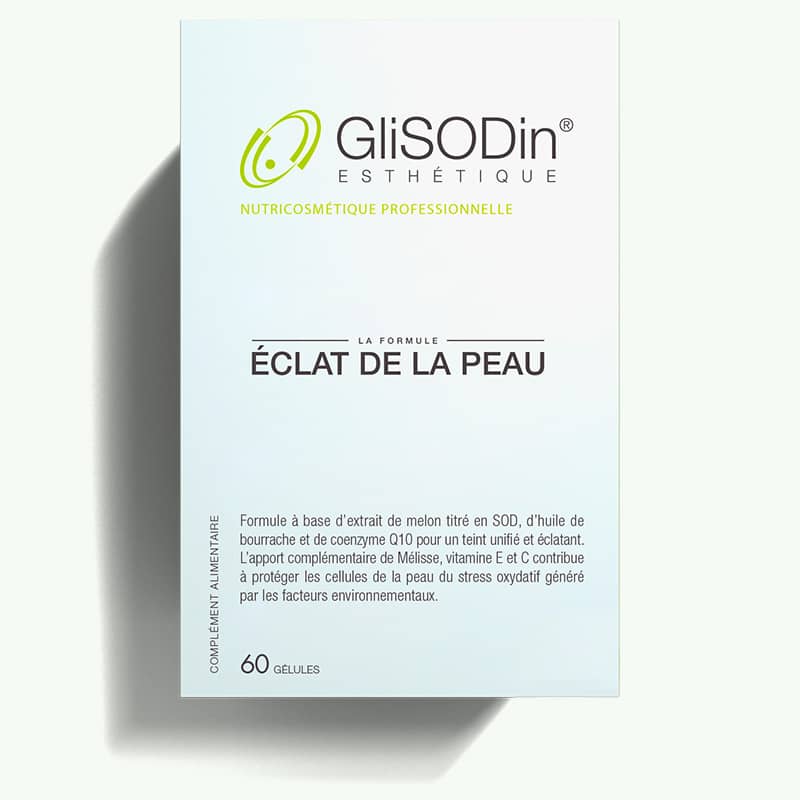
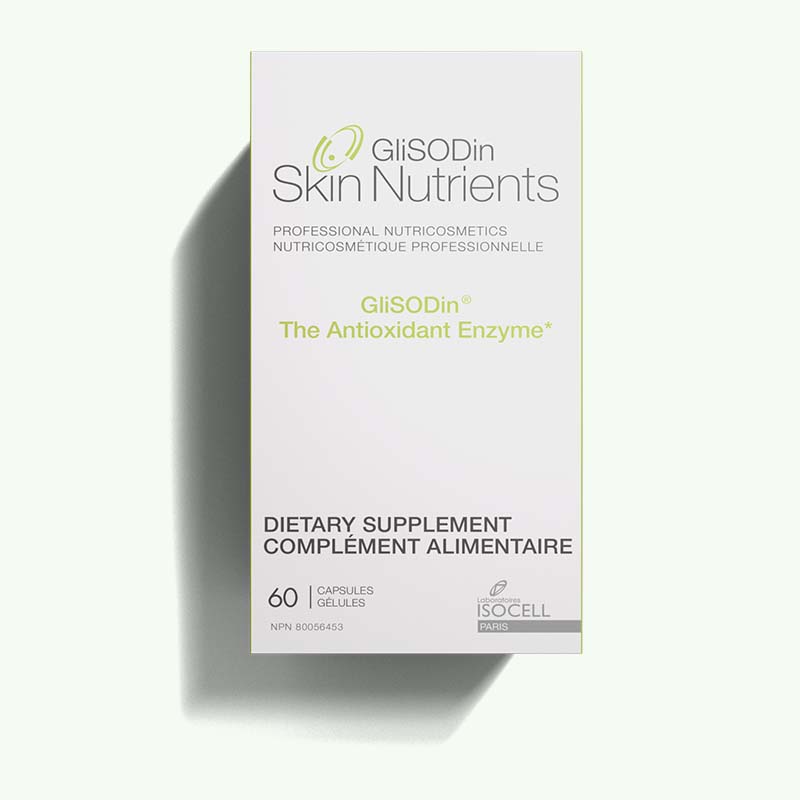
As part of this comprehensive approach, he recommends supporting the body's natural antioxidant defenses with GliSODin® for some of his patients.
Supporting the Body's Natural Antioxidant Defenses
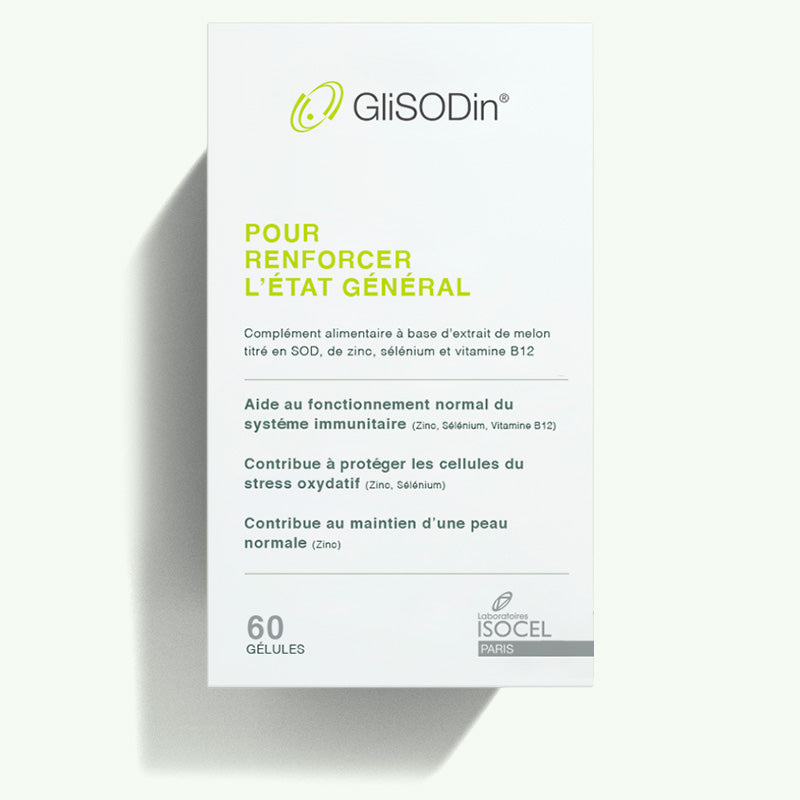
The patented GliSODin ingredient combines melon-derived superoxide dismutase (SOD) with a wheat protein that helps protect the enzyme as it passes through the digestive system, helping preserve its bioavailability.
This approach is intended to support the body's natural defense mechanisms against oxidative stress, which are naturally activated during surgery.
Preparing the Body Before Surgery
The goal is not simply to prepare the skin, but to incorporate surgery into a more comprehensive approach to patient care, where tissue quality and lifestyle habits play an important role.
Supporting Recovery
The postoperative phase is a period during which the body naturally mobilizes its repair mechanisms.
Based on Dr. Goldberg's clinical experience, GliSODin naturally fits into this comprehensive approach, which aims to support the body's physiological recovery processes following surgery.
More Than 20 Years of Scientific Research
Interest in GliSODin is also supported by a substantial body of scientific research.
To date, more than 50 clinical studies in humans have evaluated the safety and biological effects of this patented technology, which was developed more than 20 years ago.
This research has examined the role of antioxidant defenses, oxidative stress, and various areas of health and skin aging.
-------------------------
Oxidative stress is naturally part of the physiological mechanisms activated during surgery. For this reason, some plastic surgeons, such as Dr. Cory Goldberg, choose to incorporate support for antioxidant defenses into their comprehensive approach to preparing and following their patients.
This perspective is part of a broader approach in which cosmetic surgery is no longer viewed as an isolated procedure, but rather as one step in a journey focused on preserving skin quality over time and promoting an approach to beauty rooted in skin health.
This article presents Dr. Cory Goldberg's approach and clinical experience. GliSODin is a dietary supplement and does not replace medical treatment or the recommendations of your surgeon. Any preparation for a surgical procedure should be discussed with your healthcare professional.