

For many years, vitiligo was primarily viewed as an autoimmune disease. Today, researchers know that reality is far more complex.
Among the biological mechanisms involved in vitiligo, oxidative stress has emerged as a key area of scientific interest. A growing body of research suggests that oxidative stress may contribute to melanocyte damage, the cells responsible for skin pigmentation, and play a role in the onset and progression of the disease.
So, what exactly is oxidative stress? And why has it become such an important topic in vitiligo research?
Vitiligo: a multifactorial disease
Vitiligo is a chronic skin disorder characterized by the progressive loss of melanocytes, the cells responsible for producing melanin, the pigment that gives color to the skin, hair, and eyes.
Today, scientists recognize that vitiligo develops through the interaction of several factors, including:
- autoimmune mechanisms;
- genetic predisposition;
- environmental triggers;
- oxidative stress.
Rather than acting independently, these factors often interact and contribute to creating an environment that is unfavorable to melanocyte survival.
What Is Oxidative Stress?
Our bodies naturally produce molecules known as free radicals, or more specifically, reactive oxygen species (ROS).
Contrary to popular belief, these molecules are not always harmful. In fact, they play important roles in normal biological processes, including cellular communication and immune function.
Problems arise when free radical production becomes excessive or when the body's antioxidant defense systems are no longer able to maintain balance.
This imbalance is known as oxidative stress.
Over time, oxidative stress can damage key cellular structures, including:
-
cell membranes ;
-
proteins ;
-
DNA ;
-
mitochondria, the energy-producing centers of cells
Why Are Melanocytes Particularly Vulnerable?
Melanocytes are naturally exposed to high levels of oxidative stress.
One reason is that melanin production itself generates reactive molecules as part of the pigmentation process.
In other words, melanocytes already operate in a biologically demanding environment.
When additional sources of oxidative stress are present, these cells may become more fragile and less capable of maintaining their normal function.
Research also suggests that individuals with vitiligo may have a reduced ability to neutralize certain free radicals effectively, making melanocytes even more susceptible to oxidative damage.
Is Oxidative Stress a Cause of Vitiligo?
The answer is no, not on its own.
Vitiligo cannot be explained by a single cause.
However, researchers now believe that oxidative stress may be one of the factors that makes melanocytes more vulnerable to damage.
This cellular stress may then contribute to the activation of immune responses involved in melanocyte destruction.
Increasingly, scientists describe a biological cycle in which:
-
oxidative stress weakens melanocytes ;
-
stressed melanocytes release distress signals ;
-
these signals activate inflammatory pathways ;
-
the immune system targets and destroys melanocytes ;
-
inflammation further amplifies oxidative stress
This broader understanding helps explain why vitiligo is now considered a complex disease involving pigment cells, the immune system, and the cellular environment in which they function.
What Are Antioxidants?
To protect itself from oxidative stress, the body relies on natural defense mechanisms known as antioxidants.
Several antioxidant enzymes play a particularly important role, including:
- superoxide dismutase (SOD);
- catalase;
- glutathione peroxidase.
These enzymes help maintain oxidative balance and protect cells from damage caused by free radicals.
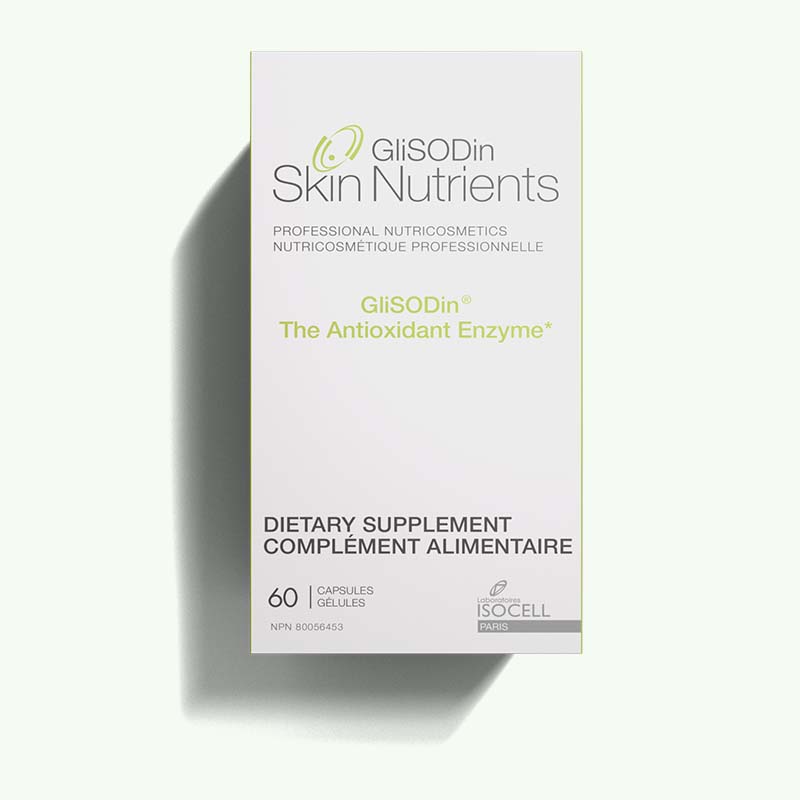
Among them, superoxide dismutase (SOD) has attracted significant scientific interest because of its central role in the body's natural antioxidant defense system.
Why Are Researchers Interested in Antioxidant Approaches?
Given the growing evidence linking oxidative stress and vitiligo, researchers have explored whether supporting the body's antioxidant defenses could be beneficial as part of a broader management strategy.
Several studies have investigated the use of antioxidant approaches alongside conventional dermatological treatments, including phototherapy.
While results remain variable and research is ongoing, a number of studies, particularly those evaluating orally administered gastro-protected SOD, suggest that combining antioxidant support with standard medical care may improve certain clinical outcomes compared with some conventional approaches used alone.
It is important to emphasize that antioxidant strategies are not intended to replace treatments prescribed by dermatologists.
Instead, they are increasingly being studied as complementary approaches that may help support the biological environment in which melanocytes function.
A New Way of Understanding Vitiligo
One of the most important developments in vitiligo research over the past decade has been the shift away from viewing the disease solely as a disorder of pigmentation.
Today, scientists are also investigating the cellular events that occur before visible skin changes appear.
This more comprehensive perspective helps explain the complex interactions between:
-
oxidative stress ;
-
autoimmunity ;
-
genetic factors ;
-
environmental influences ;
-
the ability of cells to adapt to biological stress.
Understanding these interactions is helping researchers develop a more complete picture of how vitiligo develops and progresses.
Key Takeaways
Oxidative stress is not the sole cause of vitiligo, but it is now recognized as an important contributor to the biological processes involved in the disease.
Research suggests that oxidative stress may weaken melanocytes, increase their vulnerability to damage, and contribute to inflammatory mechanisms associated with their destruction.
This evolving understanding is opening new avenues for research and reinforcing the value of a comprehensive approach to vitiligo management, one that combines dermatological care, medical follow-up, and a deeper understanding of the underlying biological mechanisms.
Scientific References
- Seneschal J. et al. Vitiligo. Nature Reviews Disease Primers, 2025.
- Chang WL, Ko CH. The Role of Oxidative Stress in Vitiligo: An Update on Its Pathogenesis and Therapeutic Implications. Cells, 2023.
- Białczyk A. et al. Oxidative Stress and Potential Antioxidant Therapies in Vitiligo. Molecular Diagnosis & Therapy, 2023.