

What Is the Post-Summer Rebound Effect?
The post-summer rebound effect refers to the return, and sometimes worsening, of skin blemishes after a period when the skin appeared clearer.
During the summer, sun exposure can temporarily change the appearance of breakouts. A tan can make redness less noticeable and create the impression of a more even complexion.
But this visible improvement does not necessarily mean that the skin itself has improved.
Acne is a multifactorial inflammatory condition involving several factors, including sebum production, follicular keratinization, Cutibacterium acnes activity, and inflammation.
After several weeks of sun exposure, heat, sweating, and repeated use of sunscreen, the balance of blemish-prone skin can therefore be disrupted.
Why Can Breakouts Return After Vacation?
During the summer, the skin is exposed to many changes: sun, heat, sweating, swimming, air conditioning, and changes in daily routines. For blemish-prone skin, this combination of factors can gradually disrupt the skin's balance.
Although the sun may temporarily make the skin appear clearer, UV radiation is not a treatment for acne. Repeated sun exposure can, on the contrary, contribute to inflammatory processes and increase the appearance of post-inflammatory pigmentation after a breakout. This is why appropriate sun protection remains essential for blemish-prone skin, even when the complexion appears more even.
By the end of summer, pores may also become more easily congested, making blemishes increasingly noticeable.
Returning to a busier routine can also affect the skin. Stress, lack of sleep, and changes in daily habits are among the many factors that may play a role in the development of blemishes.
As summer comes to an end, the goal is therefore not to overload the skin with harsh products in an attempt to quickly restore a clearer complexion. Instead, it is better to gradually return to a consistent, gentle routine that respects the skin barrier.
What Can You Do About the Post-Summer Rebound Effect?
A few simple steps can help support the skin during this period of transition.
Cleanse Without Overstripping the Skin
Morning and evening, use a cleanser suited to your skin type to remove excess sebum, sweat, sunscreen residue, and impurities that build up throughout the day. However, avoid cleansing too frequently or using overly harsh products: blemish-prone skin also needs to maintain a healthy skin barrier.
Purify Gradually
After summer, it can be tempting to use multiple scrubs, masks, and exfoliating products to quickly achieve clearer-looking skin. It is better to take a gradual approach. A purifying mask or gentle exfoliating treatment can be incorporated once or twice a week, depending on your skin's needs and sensitivity. If irritation occurs, reduce the frequency of use.
Take an In & Out Approach
Caring for your skin isn't only about the products you apply to its surface. A balanced diet, adequate hydration, sufficient sleep, and protection from external stressors can also contribute to a comprehensive approach to skin health. This is where certain dietary supplements may complement an appropriate skincare routine.
Oxidative Stress, Inflammation, and Blemishes: What Is the Connection?
Acne is now considered an inflammatory disorder of the pilosebaceous unit. Inflammation therefore plays an important role in its development.
Oxidative stress is also among the mechanisms being studied in blemish-prone skin. It refers to an imbalance between the production of oxidative molecules and the body's antioxidant defense systems.
This does not mean that an antioxidant is a treatment for acne. However, supporting the body's antioxidant defenses may be part of a broader approach to maintaining skin health.
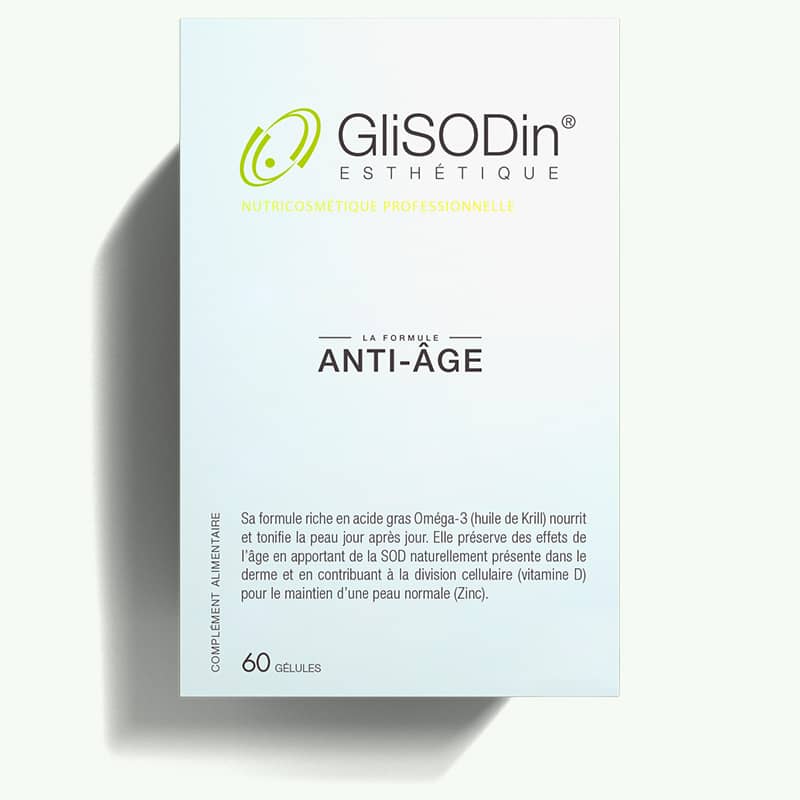
Can GliSODin Anti-Aging Be Part of a Routine for Blemish-Prone Skin?
Despite its name, GliSODin Anti-Aging is not intended exclusively for mature skin.
Its formula combines GliSODin® melon SOD with krill, borage, and sea buckthorn oils, hyaluronic acid, and zinc.
Zinc contributes to the maintenance of normal skin and the protection of cells from oxidative stress.
GliSODin Anti-Aging is not an acne treatment. However, the formula can be incorporated into an In & Out approach designed to support skin hydration, elasticity, and overall skin quality, particularly following a period of summer sun exposure.
-------------------------
Frequently Asked Questions About Breakouts After Summer
Why Am I Getting More Breakouts in September?
Some people notice more blemishes after summer, even though their skin appeared clearer during vacation. Sun exposure can temporarily mask certain types of redness and alter the skin's balance. As a result, breakouts may become more noticeable in the weeks following the summer months.
Does the Sun Make Acne Go Away?
No. The sun may temporarily improve the appearance of certain blemishes, but it does not treat the underlying mechanisms responsible for acne. Excessive sun exposure can, on the contrary, contribute to inflammation and post-inflammatory hyperpigmentation.
Should I Exfoliate My Skin After Summer?
A gentle exfoliating treatment can be incorporated into your routine if your skin tolerates it well, but it is best to avoid using multiple exfoliating or harsh products. Frequency should be adjusted according to your skin's sensitivity.
Should I Still Wear Sunscreen After Summer?
Yes. Sun protection remains important year-round whenever your skin is exposed to UV radiation. If you have blemish-prone skin, choose a sunscreen suited to your skin type and ideally labeled non-comedogenic.
How Can I Prevent the Post-Summer Rebound Effect?
There is no guaranteed way to prevent breakouts from appearing. However, a consistent routine that includes gentle cleansing, appropriate hydration, sun protection, and non-aggressive skincare can help maintain the skin's balance after summer.